
Bursitis: Why It Hurts, Why It Lingers, and How Acupuncture Can Help.
You woke up and your knee is throbbing. Or maybe it’s been grumbling for weeks. Sore to touch, worse at night, and just not getting better no matter what you try. If this sounds familiar, then you may be dealing with bursitis.
The good news? You’re not stuck with it. But let’s be honest with you upfront: this is going to take a little while to resolve. Understanding why will actually help you heal faster.
What Is a Bursa?
Think of a bursa as a tiny water balloon. Your body has over 150 of them, tucked in around your joints between bones, tendons, and muscles. Their whole job is to act as a cushion, stopping things from rubbing against each other when you move.
Now here’s the thing about the bursa once they’re inflamed: they are incredibly easily irritated. It doesn’t take much. A direct knock, doing too much too soon, kneeling for too long, or even just the accumulated wear and tear of everyday life can be enough to inflame one. Once that happens, even the lightest touch or just resting still can hurt.
Why Does Bursitis Hurt So Much?
When a bursa becomes inflamed, it swells up with fluid. That swelling puts pressure on the surrounding tissue, which is why bursitis can feel so intense and sometimes feel like the joint is going to explode.
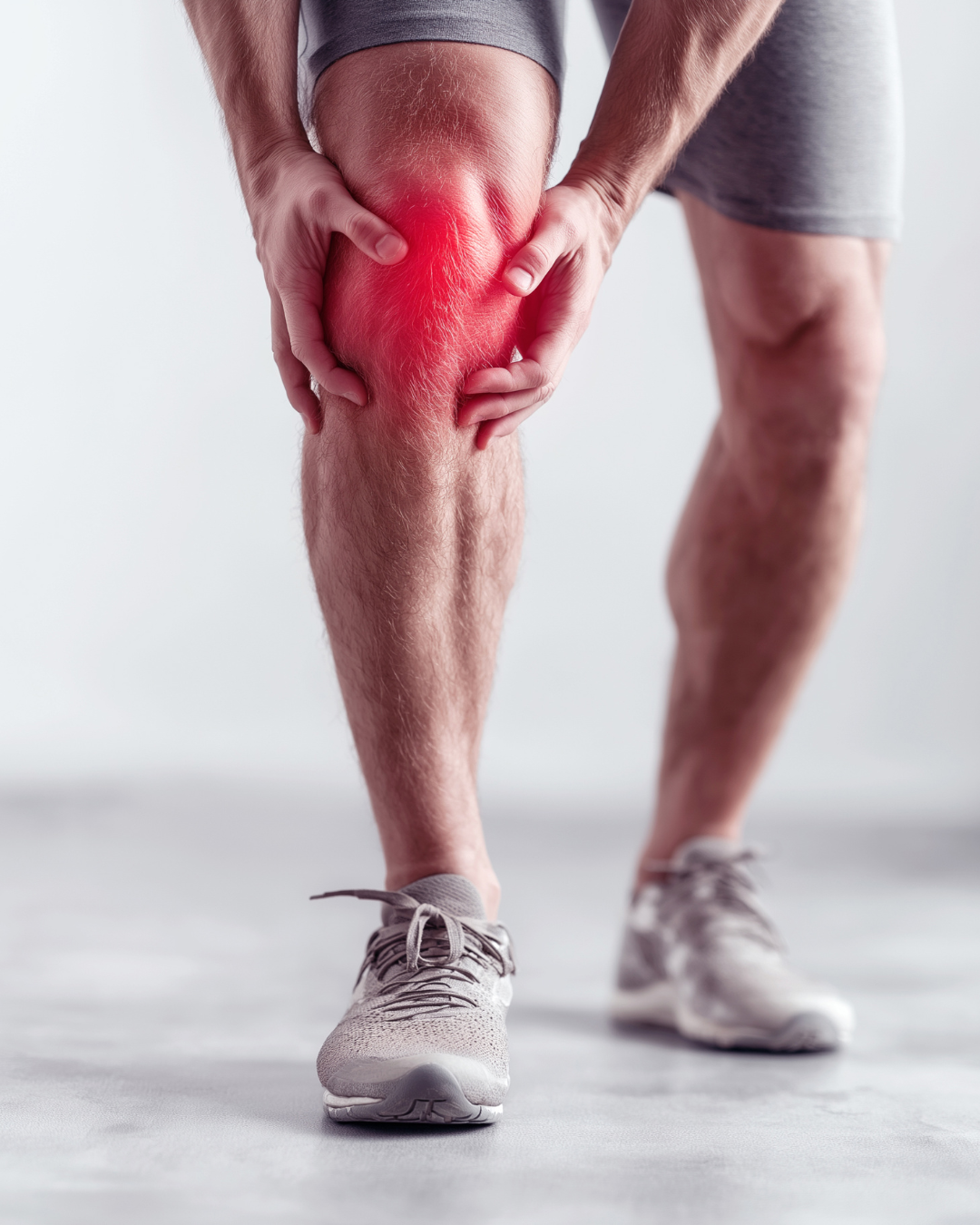
Common signs include:
– Aching or sharp pain around the affected joint, especially with movement or pressure
– Swelling and puffiness near the joint
– Tenderness even with very light touch
– Pain that builds at night, particularly when you’re lying still
– Stiffness in the mornings or after sitting for a while
The knee, shoulder, hip, and elbow are the most commonly affected areas.
Why Does Bursitis Take So Long to Heal?
Here’s the honest truth: pain is going to be a feature for a while. That’s not to discourage you, it’s to set realistic expectations so you don’t give up when you’re actually making progress.
Because the bursa is so easily re-irritated, healing isn’t a straight line. You’ll have good days and flare-up days. The thing that makes the real difference isn’t just managing today’s pain but rather building your body’s capacity to recover after each flare-up. That’s where consistent, targeted treatment becomes so important.
What Can Acupuncture Do for Bursitis?
A lot, actually. Acupuncture works on bursitis from several angles at once.
Blood Flow Back to the Area
In Traditional Chinese Medicine, pain is understood as a sign that circulation has become blocked or impaired. The bursa and surrounding tissue aren’t receiving enough nourishment to repair themselves. Acupuncture needles are placed along specific channels that run through the affected area, with the goal of getting blood and energy (Qi) flowing freely again. More blood flow means more oxygen, more nutrients, and a better environment for healing.
Reduces Inflammation Naturally
Modern research backs this up. Studies show that acupuncture stimulates the body’s own anti-inflammatory response, helping to calm down the irritated tissue without the side effects that can come with long-term medication use.
Manage Pain Without Masking It
There’s an important difference between numbing pain and addressing it. Acupuncture activates the body’s natural pain-relieving pathways, which helps you feel better while the healing process is genuinely underway & not just covered over.
Supports the Body Between Flare-Ups
One of the most valuable things acupuncture does is help train the body to sustain its own recovery. In the beginning, treatments help to kick-start the healing response. Over time, with consistent treatment, the gap between flare-ups gets wider, recovery gets faster, and eventually the body learns to hold its own.
What Does The Treatment Process for Bursitis Actually Look Like?
For a condition like bursitis, regular treatment in the early stages is key. The goal is to keep building on each session before the inflammation has a chance to creep back.
Alongside acupuncture, your practitioner may also use:
- Moxibustion: gentle heat applied to specific points to warm the joint and promote circulation
- Cupping: to support blood flow and ease muscular tension around the joint
- Home care advice: such as heat application where necessary and gentle movement
A Word on Patience with Bursitis
We know it’s frustrating when something hurts and it doesn’t resolve quickly. Bursitis has a habit of lingering, especially if it’s been there a while. But with the right support, most people do see meaningful improvement.